TikTok as a Fan Culture Ecosystem of Imitation, Participation, and Networked Communities
By Kate Edwards / 22196347

Social media has significantly transformed the way people build connections and communities. Where connection used to rely on physical closeness, it is now more often built through shared digital activities, content, and continuous engagement. Platforms like TikTok illustrate this change, allowing users to connect not via established social networks, but through content streams curated by algorithms.
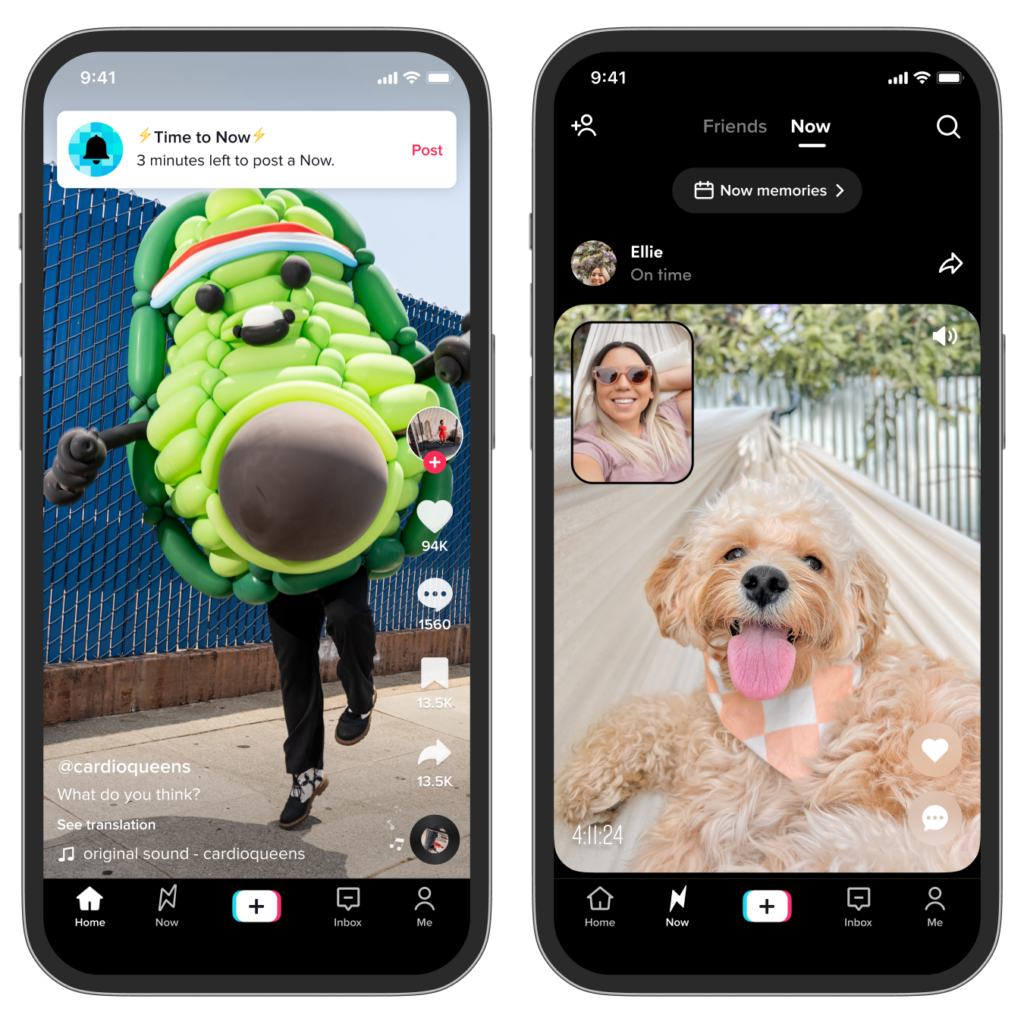
My assignment argues that TikTok should be seen not merely as a community-building platform but as a fan culture environment. Based on Fan Studies and Henry Jenkins’ research, it argues that TikTok users engage in participatory activities, such as imitation, remixing, and trend sharing, that reflect and expand upon conventional fandom behaviours. By leveraging platform features and the concept of imitation publics as defined by Zulli and Zulli (2022), TikTok converts mundane content into collective cultural artefacts, allowing users to build identity and community through decentralised, algorithm-driven fan interactions.
References
Bruns, A. (2023). From “the” public sphere to a network of publics: towards an empirically founded model of contemporary public communication spaces. Communication Theory, 33(2-3), 70–81. https://doi.org/10.1093/ct/qtad007
Bucher, T., & Helmond, A. (2018). The affordances of social media platforms. In J. Burgess, A. Marwick, & T. Poell (Eds.), The SAGE handbook of social media (pp. 363–392). SAGE.
Byron, P., & Dejmanee, T. (2025). Queer and trans influential peers: Negotiating platforms for community care. New Media & Society. https://doi.org/10.1177/14614448251356454
Jenkins, H. (2004). The Cultural Logic of Media Convergence. International Journal of Cultural Studies, 7(1), 33–43. https://doi.org/10.1177/1367877904040603
Jenkins, H. (2010, May 23). Why Participatory Culture Is Not Web 2.0: Some Basic Distinctions — Pop Junctions. Henry Jenkins. https://henryjenkins.org/2010/05/why_participatory_culture_is_n.html
Jenkins, H. (2013). Rethinking “Rethinking Convergence/Culture.” Cultural Studies, 28(2), 267–297. https://doi.org/10.1080/09502386.2013.801579
Zhang, W. (2016). The Internet and New Social Formation in China. Publics, Fans, and Social Media. https://doi.org/10.4324/9781315756141
Zulli, D., & Zulli, D. J. (2020). Extending the Internet meme: Conceptualizing technological mimesis and imitation publics on the TikTok platform. New Media & Society, 24(8), 1872–1890. https://doi.org/10.1177/1461444820983603


Leave a Reply