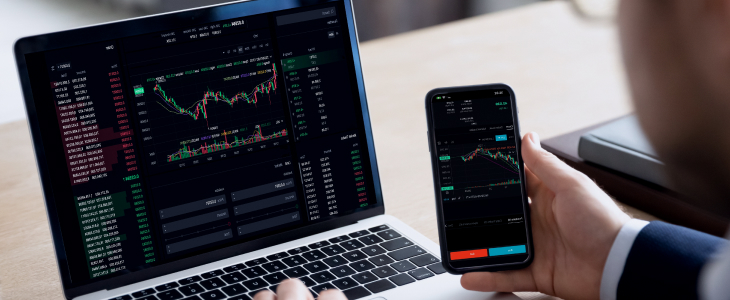
In the rapidly evolving world of finance, trading forex online Jordan Brokers stands out as a trusted partner for those venturing into the realm of online Forex trading. The Foreign Exchange (Forex or FX) market remains one of the largest and most liquid financial markets globally, with an average daily trading volume exceeding $6 trillion. This article aims to provide valuable insights into online Forex trading, including strategies, tools, and resources that can enhance your trading experience.
What is Forex Trading?
Forex trading involves the buying and selling of currencies in pairs. Unlike stock trading, where you purchase shares of a company, in Forex, you speculate on the relative strength of one currency against another. For instance, if you believe the Euro will strengthen against the US Dollar, you would buy the EUR/USD currency pair.
Choosing a Forex Broker
Selecting the right Forex broker is crucial for your trading success. A broker acts as an intermediary between you and the Forex market, providing the platform for your trades. Here are some factors to consider when choosing a Forex broker:
- Regulation: Ensure the broker is regulated by a reputable authority. Regulatory bodies provide oversight to protect investors.
- Trading Platform: Look for a user-friendly platform with advanced features and charting tools.
- Spreads and Fees: Compare the spreads, commissions, and other fees associated with trading.
- Customer Support: Effective customer service can help resolve issues promptly.
Understanding Currency Pairs
Forex trading involves currency pairs, which consist of a base currency and a quote currency. For example, in the EUR/USD pair, the Euro is the base currency and the US Dollar is the quote currency. Currency pairs are categorized into three types:
- Major Pairs: These pairs involve the most traded currencies, including USD, EUR, GBP, and JPY.
- Minor Pairs: These pairs do not involve USD but are still significant in volume and liquidity.
- Exotic Pairs: These pairs consist of a major currency paired with a currency from a developing or emerging economy.
Key Strategies in Forex Trading
Successful Forex trading typically requires the use of strategies that guide your decision-making process. Here are a few common trading strategies:
1. Scalping
Scalping involves making numerous trades throughout the day to exploit small price movements. Scalpers aim for quick profits and must be highly disciplined.
2. Day Trading
Day trading is the practice of buying and selling currencies within the same trading day. This strategy helps traders avoid overnight risk by closing all positions before the market closes.
3. Swing Trading
Swing traders hold positions for several days to capitalize on expected price movements. This method requires a good understanding of market trends and can be less stressful than day trading.
4. Position Trading
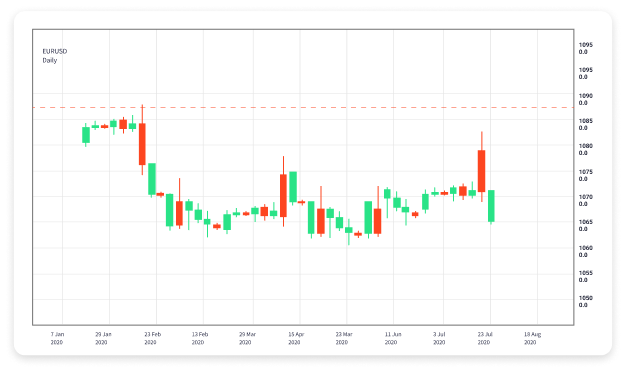
Position trading is a long-term strategy that involves holding positions for weeks or months. This approach is based on fundamental analysis and requires patience and discipline.
Risk Management Techniques
Effective risk management is essential in Forex trading. Here are some techniques to minimize risk:
- Use Stop Loss Orders: A stop-loss order automatically closes a trade at a predetermined price level to limit losses.
- Position Sizing: Determine the size of your trades based on your risk tolerance and account size.
- Diversification: Avoid putting all your capital into one trade or currency pair. Diversifying your trades can help mitigate risks.
The Importance of Technical and Fundamental Analysis
Successful Forex traders often rely on both technical and fundamental analysis to make informed trading decisions.
Technical Analysis
Technical analysis involves analyzing past price movements and chart patterns to predict future price action. Traders use various tools such as moving averages, trend lines, and oscillators to identify potential entry and exit points.
Fundamental Analysis
Fundamental analysis focuses on the economic indicators that affect currency values. Key factors include interest rates, inflation, employment figures, and geopolitical events. Understanding these factors can help traders anticipate market movements.
The Role of Economic Indicators in Forex Trading
Economic indicators play a significant role in Forex trading, as they provide insight into a country’s economic health. Some important indicators include:
- Gross Domestic Product (GDP): A measure of a country’s economic performance.
- Employment Reports: Data on job growth, unemployment rates, and wage growth.
- Consumer Price Index (CPI): An indicator of inflation that affects monetary policy decisions.
Emotional Discipline in Trading
Emotional discipline is crucial for successful Forex trading. Traders often experience fear and greed, which can lead to irrational decisions. Developing a trading plan, sticking to it, and practicing mindfulness can help mitigate emotional influences on trading decisions.
The Future of Forex Trading
The Forex market continues to evolve, with advancements in technology and trading platforms. The rise of algorithmic trading, the use of artificial intelligence, and the popularity of mobile trading are reshaping how traders interact with the market. Staying informed about these trends can help you adapt your strategies and maintain a competitive edge.
Conclusion
Online Forex trading offers lucrative opportunities but requires a solid understanding of the market, effective strategies, and disciplined risk management. Whether you are a beginner or an experienced trader, continuous learning and adaptation are key to long-term success. Utilize the resources available through credible brokers and Forex platforms, and stay informed about market developments to enhance your trading journey.