
Finding the Best Broker for Forex Trading
When stepping into the world of Forex trading, one of the most critical decisions a trader must make is selecting a broker. The right broker can significantly influence your trading success, providing access to the financial markets, tools, and support necessary for effective trading. In this article, we will explore essential considerations in choosing the best broker for Forex trading, such as regulation, fees, trading platforms, and much more. For further assistance, you can visit the best broker for forex trading Forex Broker Register.
Understanding Forex Trading
Forex trading involves exchanging currencies in pairs, with the aim of making a profit on the fluctuations in their value. The Forex market is one of the largest and most liquid financial markets globally, attracting traders of all skill levels. The choice of broker plays a pivotal role in your trading experience. A poor choice can lead to unfavorable trading conditions, while a good broker can enhance your overall trading strategy.
Regulation and Trustworthiness
One of the foremost criteria in selecting a Forex broker is regulation. Regulated brokers are overseen by governmental agencies, which help ensure that they operate fairly and transparently. Significant regulatory bodies include the Financial Conduct Authority (FCA) in the UK, the Commodity Futures Trading Commission (CFTC) in the US, and the Australian Securities and Investments Commission (ASIC) in Australia. Before choosing a broker, verify that they are regulated by a reputable authority to ensure the safety of your funds.
Trading Costs and Fees
Understanding the costs associated with trading is crucial. Brokers typically charge a spread, which is the difference between the buying and selling price of a currency pair. Some brokers may also charge commissions on trades, which can impact your profitability. Look for brokers that offer competitive spreads and transparent fee structures. It’s essential to calculate how trading costs might impact your overall returns, especially if you plan to trade frequently.
Trading Platforms
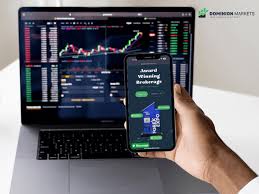
The trading platform provided by a broker can significantly affect your trading efficiency and experience. Commonly used platforms include MetaTrader 4 (MT4), MetaTrader 5 (MT5), and cTrader. When evaluating trading platforms, consider the following factors:
- User Interface: The platform should be intuitive and easy to navigate.
- Charting Tools: Robust analytical tools are essential for effective trading strategies.
- Mobile Access: The ability to trade on-the-go through mobile applications can be beneficial.
- Order Types: Check if the platform supports various order types to enhance your trading strategies.
Customer Support
Good customer support can be invaluable, especially for novice traders. When selecting a broker, assess the quality of customer service by checking their support channels, such as live chat, email, and phone support. Additionally, consider their response times and the availability of support in your preferred language. A knowledgeable and responsive support team can assist you with issues ranging from technical problems to account inquiries.
Leverage and Margin Requirements
Forex brokers often offer leverage that allows traders to control larger positions with a smaller amount of capital. While leverage can amplify profits, it also increases the risk of significant losses. Different brokers have varying leverage offerings, so assess what level fits your risk tolerance and trading strategy. Additionally, understand the margin requirements to maintain your positions and avoid margin calls.
Range of Offered Currency Pairs
Not all brokers offer the same selection of currency pairs. Depending on your trading strategy, you may want access to a broad range of pairs, including major, minor, and exotic currencies. Consider whether the broker provides access to the specific currency pairs you plan to trade regularly. A wider range of options can enhance your trading opportunities and diversify your portfolio.
Reviews and Reputation
Before choosing a broker, consult online reviews and watch out for any red flags. Research their reputation in the trading community by visiting forums, checking social media platforms, and reading independent reviews. Additionally, hear from other traders about their experiences, as this can provide insights into the broker’s reliability and performance.
Account Types and Minimum Deposit
Many brokers offer various account types tailored to different trading styles and capital levels. These may include demo accounts, standard accounts, and premium accounts, each with distinct benefits and requirements. It’s essential to evaluate your own trading requirements and match them with the account options a broker offers. Also, pay attention to the minimum deposit required to start trading; this can vary significantly among brokers.
Conclusion
Choosing the best broker for Forex trading is a vital step toward achieving your trading goals. It requires careful consideration of various factors, including regulation, fees, trading platforms, customer support, and the broker’s reputation. Take your time, conduct thorough research, and do not hesitate to reach out for guidance or support. By selecting a trustworthy and compatible broker, you lay a solid foundation for your trading journey.