-
How does social media support and challenge the mental health of LGBTQ+ youth?
Posted on
by
berenicedeguardia
LGBTQ+ people often experience more challenges when it comes to well-being and mental health (Berger et al., 2022). The term LQBTQ+ includes lesbian, gay, bisexual, transgender, queer, and questioning individuals, as well as anyone whose sexual orientation or gender identity is different from the traditional norms (Russell et al., 2023). For many LGBTQ+ youth, social…
-
“Social Media’s Impact on Collaborative Learning Communities: Unveiling the Potential and Challenges”
Posted on
by
Nemat Almonjed
Abstract: Recent years have seen a dramatic rise in popularity of platforms like Facebook, Twitter and Instagram which now captivate users as well as educators and researchers. Text-based communication now frequently supplants standard phone conversations as people incorporate these platforms into their daily routines. These platforms have emerged as leading tools within higher education for…
-
Peer Production and Platform Power: The Dual Impact of Online Communities on Culture and Markets
Posted on
by
Bryce Chen
Introduction Online communities have evolved quickly as a vibrant track for specialist interests, revolutionizing cultural participation across industries such as gaming, crafting, and technological development. In a departure from the conventional consumer-producer dichotomies characterized by the existence of well-defined market boundaries, the cultural communities of today intersect these as they enable people to co-present, co-produce,…
-
How can Instagram shape and maintain online communities through visual identity expression, tag-driven discovery mechanisms and interactive emotional connections?
Posted on
by
Jiawen Liu
Introduction In the modern digital age, community and belonging are increasingly shaped not by physical proximity, but by online connections. Social media platforms like Instagram have become essential tools for people to express identity, find like-minded individuals, and build support networks across the globe. Instagram currently have more than one billion active users, many of…
-
Trump’s use of social media help unify his political community or further divide the nation?
Posted on
by
Tiffany Angelica
Donald Trump as one of the presidential candidate for the United States Of America in 2020 has utilized the use of social media platforms and has gained a number of followers with each platforms to unify is political community, while also causing a lot of people to loose trust in the mainstream media (Intrabartola, 2021).…
-

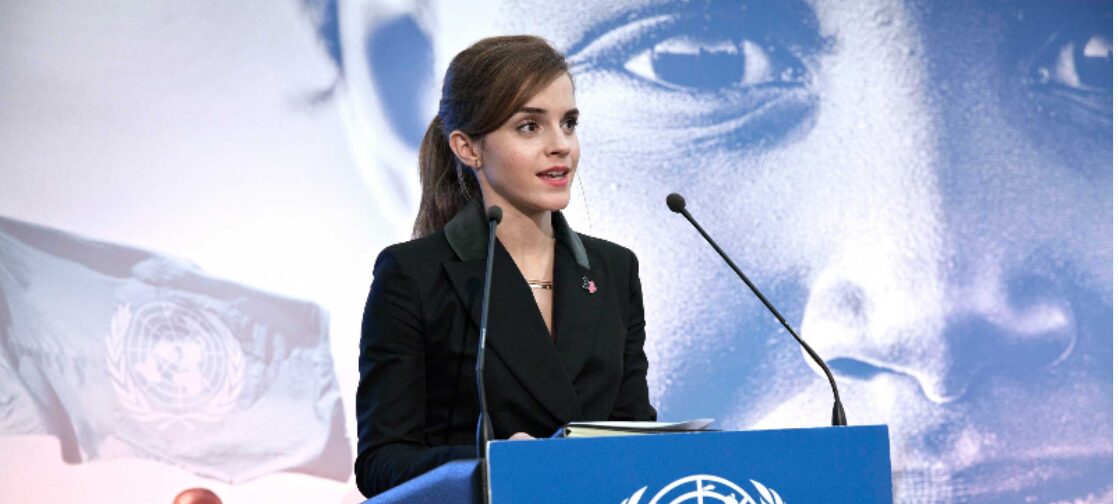
Posting for the Planet: Emma Watson’s Online Advocacy for Climate change
Posted on
by
Khushi
Social media stands today as an essential tool for activism because it provides a platform to encourage social transformations and a place of expression for public opinion. Emma Watson successfully developed her Instagram platform to support environmental sustainability with the combination of her famous reputation and online reach whilst also fostering ecosystem-wide climate change protection…
-
Twitter and Mental Health: the effect of Twitter on those suffering from Eating Disorders and Self-Harm
Posted on
by
Tayla Black
Abstract The social media platform Twitter provides a space for users to form niche communities that can help those suffering from eating disorders or self harm by promoting recovery, sharing beneficial mental health resources and providing individuals with a sense of belonging. Despite this, there is an overwhelming amount of negative content encouraging users in…
-
The Social Phenomenon of Fandom: Communities built on a shared identity and Camaraderie
Posted on
by
A.Mikael
Abstract Fandom or fandom culture is pretty broad in the online space and derives itself from a following of a source material. With some potentially being endorsed by the official source or acting independently from it. To an extent it affirms or shapes an individuals identity. Creating a safe community space for those to express…
-

Connection to Obsession: How Social Media Fuels Toxic Fan Culture
Posted on
by
Nicole Alconaba
Connection to Obsession: How Social Media Fuels Toxic Fan Culture by deepening parasocial ties, promoting rivalry, and transforming music fandoms.
-
How does TikTok’s recommendation algorithm influence the spread of feminist topics in China
Posted on
by
21251902@student.curtin.edu.au
Thesis statement: While TikTok’s algorithm can amplify feminist issues by “calculating feminism,” giving women’s voices some space on the platform, it doesn’t allow those voices to express themselves freely and can control the conversation by hiding content and limiting traffic. Introduction: In China, feminist topics have long been suppressed in mainstream media, and the space…
-
How Social Media is Radicalizing adolescent boys
Posted on
by
stellapearse
Abstract: My paper addresses the issue of how social media platforms are contributing to the radicalization of adolescent boys. Highlighting how social media platforms instill misogynistic beliefs and values, amplifies extremist content through algorithmic Eco chambers and encourages influences to promote extremist views to young users. The thesis states that social media platforms facilitate the…
-
Identity and Advocacy in Gaming: How Video Games Reflect and Reinforce Gender Inequality
Posted on
by
TiffanyBaring
Abstract This paper explores video games as important platforms to explore and advocate identity through reflections of social systems which control women’s bodies and autonomy. It also examines gaming space gender dynamics through research on female gaming experiences in sexism and harassment while showing how computer game networks simultaneously advance gender equal rights and support…
-
How the Affordances of Tumblr Create Echo Chambers: Using the Avatar: The Last Airbender Fandom
Posted on
by
Ashleigh-V
Tumblr is a blogging website and app that has become synonymous with fandom and fan creation. The platform is one of the most text-based social media platforms available, with many people posting their fanfiction, short stories and, in some spaces, analyses. However, it is a multimedia platform and, therefore, has a lot of fan art…
-
Selling the Ideal: Tasya Farasya and the Rise of Instagram-Driven Beauty Standards in Indonesia
Posted on
by
tammysatya
Abstract This paper investigates how Instagram beauty influencers, focusing on Tasya Farasya, shape beauty standards and consumer behaviour in Indonesia through promoting Western beauty ideals. Using a cultural and media studies lens, the study analyses Tasya Farasya’s Instagram content, audience engagement, and sponsored brand collaborations to understand how digital influence contributes to shifting perceptions of…
-

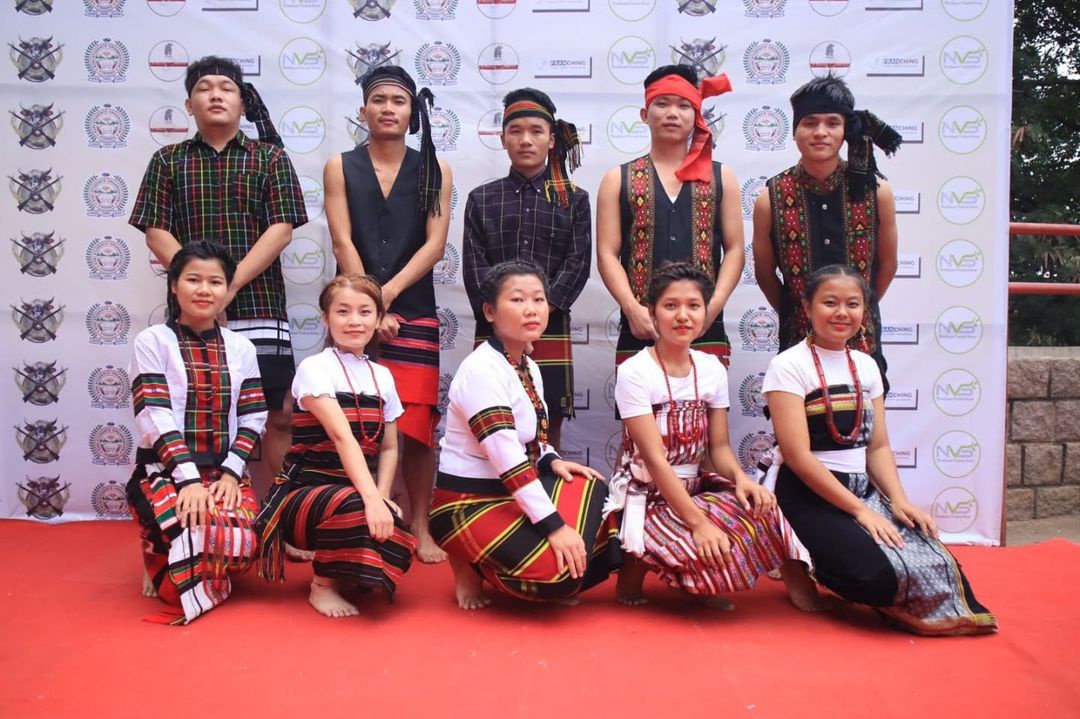
The Role of Social Media: How the Kuki tribes of Northeast India utilize Facebook to amplify their voices and counter social injustice.
Posted on
by
Christina Roneikim
Abstract: The Kuki communities living in Northeast India are similar to what North Americans regard as a community where most people “spent their lives surrounded by relatives, neighbours, and friends who shared not only similar backgrounds and beliefs but also did similar tasks and daily labor”. Since the issues of the Kukis are often overlooked…
-
How Online Advocacy Shapes Online Identity: The Good and Bad of Cancel Culture
Posted on
by
Tayarna
Abstract Over the years social media has become a place of entertainment but also a platform for individuals to share gossip and opinions on topical issues, people and groups. This paper explores the good and the bad side of cancel culture and how it can affect online identity in different ways. We draw upon the…
-
Social Media on Portraying Race and Religion News: Does it Promote Unity, or Does it Make it Worse.
Posted on
by
Chai Xiao Wei
Abstract Everyone has a social media platform. News can be published online on social media platforms. One of the most concerning issues in Malaysia is how they portray news related to race and religion. This can be a sensitive topic, resulting in less discussion. Social media provides a great medium to discuss and raise awareness…
-

The ‘FAKE’ Human Race: Rise of the Pseudonymous Army
Posted on
by
CarolineNagajek
The purpose of this article is to address the negative impact pseudonymous individuals have within online communities. Pseudonymous individuals have the ability to share controversial personal opinions with minimal repercussions, which enables them to express negativity and unethical behaviours within online communities. This article first explores how these pseudonymous individuals are able to reside within…
-

Ghosting My Identity: How Social Media Shapes the Identities of Gen Z Immigrants
Posted on
by
kianapanpone
This paper explores how Gen Z immigrants navigate digital spaces by curating their identities for visibility and survival. Through personal reflection and academic theory, it highlights how social media platforms shape identity performance, emotional labour, and the negotiation of belonging in an online world that rewards polished narratives over authentic expression.
-

TikTok and the Paradox of Addiction: its Potential as a Tool for Healing
Posted on
by
Yana_Chua
Abstract TikTok has faced criticism for promoting compulsive use through endless content loops, keeping users hooked and creating a potentially harmful digital environment. However, this paper argues that TikTok is not entirely bad. Despite its addictive design, TikTok can offer support for those who are healing from addiction or mental health struggles. This paper explores…
-

Filters, Followers, and Facial Routines: Identity, Authenticity, and Capital for Women in the Beauty Communities Online
Posted on
by
Ashley Leong
Abstract This paper discusses how the development of social media sites like YouTube, Instagram, and TikTok has changed the skin and beauty communities. It pays particular attention to how women, particularly young women utilize these platforms to develop their identities, distribute authentic content, and acquire financial and social capital. These online communities, which provide everything…
-

Toxic by Algorithm: The Hidden Cost of Influencer Culture on Young Men
Posted on
by
pangi
Abstract This paper looks at how content creators on Instagram and TikTok, influence young Australian men’s views on masculinity by promoting toxic ideals and misogynistic messages. In the wider context of identity formation and digital culture, it argues that these platforms often reinforce traditional, dominant forms of masculinity, which can contribute to normalising gender-based power…
#onlinenetworksandsocialchange, Advocacy, algorithm, algorithms, Andrew tate, Body Image, BodyImage, change, Communities, Fitness, GenZ, ideals, Identity, Influencers, Instagram, MentalHealth, online conference, online networks, representation, SMCN25, social change, Social Media, tiktok, Toxic Masculinity, Trends, Twitch, Twitter, YouTube -
Social Media’s Role in the “Women, Life, Freedom” Protests
Posted on
by
Mavis
Abstract This paper looks at how social media helped drive social change during the “Women, Life, Freedom” movement in Iran after Mahsa Amini’s death. When news of her death spread, platforms like Instagram, X (Twitter), and TikTok gave people a way to share their voices, show what was happening, and reach the world. This study aims to…
-

Social Media as Catalyst: The Role of Celebrity Influence and Institutional Support in the Transnational Rise of Black Lives Matter
Posted on
by
Benedict Foo
Abstract This paper primarily discusses how influential figures and institutions gradually propelled a social movement that originally existed only on social media to drive the resurgence of the Black Lives Matter (BLM) movement. By leveraging the visibility of social media platforms, shaping public sentiment, and promoting transnational mobilization against institutionalized racism, the movement was able…
-
Are Influencers in Adult Content Impacting Minors Negatively? The Impact of TikTok’s Strong Online Communities on Young People.
Posted on
by
21483789
ABSTRACT This paper examines the impact of TikTok and similar platforms on young people, regarding adult content creators and their online communities. While these platforms offer connection, they also expose minors to the normalisation of adult industries and the glamorisation of sex work, distorting perceptions of success and self-worth. This can lead to long-term mental…
-

Unboxing Identity: Blind Box Toys as a Tool for Self-Expression in Online Platforms
Posted on
by
hazelr
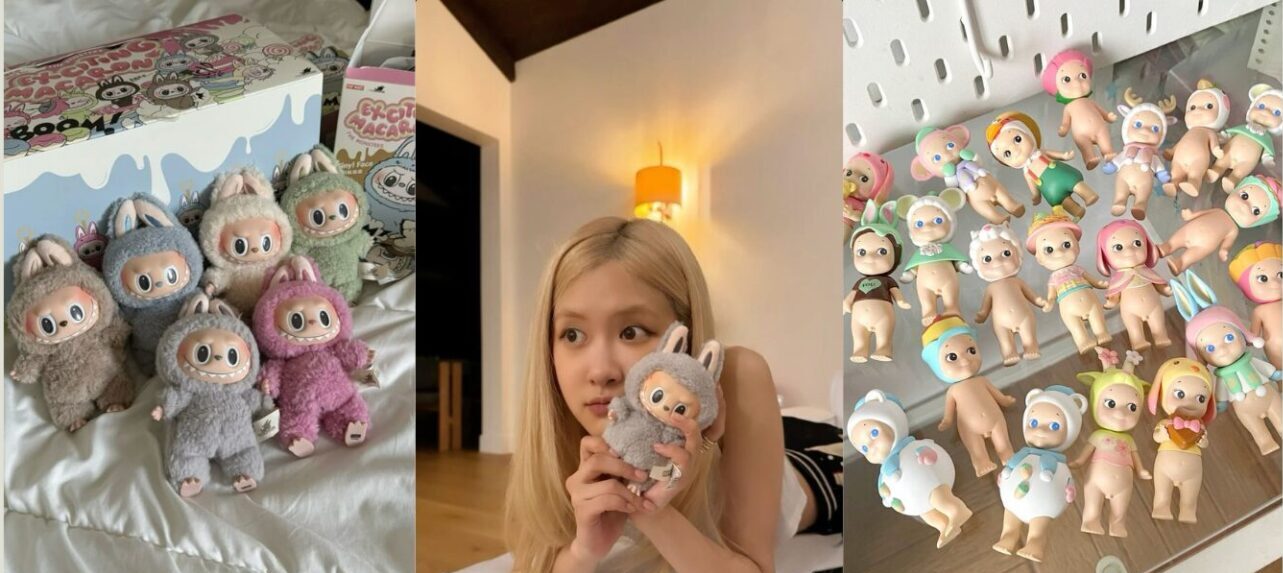
Abstract With the rise of user-generated content through social media, the sharing of diverse interests has led to various online communities that different users resonate with. Among these interests are blind boxes, which refer to toy collectibles sold in sealed packaging that conceal the specific item or design the consumer will receive. Blind boxes have…
-
Forming connections for visual artists: how Instagram has transformed creative communities
Posted on
by
Dallas
Abstract: Previously, visual creative artists found their community through their grassroots connections. Instagram has allowed creatives to spark conversations and forge connections on a global scale which has revolutionised the way visual creatives form communities. Instagram has radically changed the way solo visual artist or creatives engage with art communities due to the platforms affordances…
-
How Gen Z use Discord to create communities of shared interests, foster ownership, belonging and collaboration and its innovative digital tools.
Posted on
by
Timothy Ho
Timothy Ho Abstract: The main purpose of this paper is to analyse how Generation Z individuals use Discord to create dynamic and engaging communities of shared interests, fostering a sense of ownership, belonging and collaboration through its communication features and innovative digital tools. This paper will discuss several main points on how Discord, a digital…
-
The Intersection of Social Media, Arts Communities and Creatives: A New Era of Connection and Isolation
Posted on
by
jalenacrooks
Social Media and Arts Abstract In an era where digital technologies increasingly mediate human interaction, the concept of community, particularly within the arts has undergone significant transformation. Once grounded in physical spaces and face-to-face collaboration, creative communities now frequently emerge and operate within online environments. Social media platforms such as Instagram, TikTok, and YouTube have…
-
Instagram’s ‘Like’ Economy: The Psychological Costs of External Validation
Posted on
by
DanicaMolina
Introduction In today’s digital age, various social media platforms such as Instagram, have completely revolutionised the way people communicate, share, and present themselves. These platforms have not only redefined self-expression, but it has also enabled communities to form and relationships to prosper and it shows no signs of slowing down. In the midst of this…
-
Friendship Bracelets, Feedback Loops, and Fan-Club Feuds: The Dual Nature of Digital Fandom Culture
Posted on
by
ebony.b2
Introduction: Humans are born with an innate need for connection, validation, and social belonging (Begen & Turner-Cobb, 2015). Even before the term was coined, ‘fandoms’ have provided a direct answer to these needs as they offer an avenue to find community in social media, create connections based on shared interests, explore one’s identity, and express…
-
Social Media and how they influence Online Identity, and enable Collective Action through their Digital Spaces
Posted on
by
Kyle Vasquez
Abstract The rise of the internet has changed the way people connect, removing the limitations of physical distance and allowing digital communities to form through global social networks. This essay explores how online spaces act as digital third spaces, places where people interact freely outside of work or personal responsibilities. Platforms like Twitter, Instagram, YouTube,…



Hi Shannon Kate, You’re right to ask; it is incredibly difficult to police these issues today. Predatory behaviour isn’t exclusive…