ABSTRACT
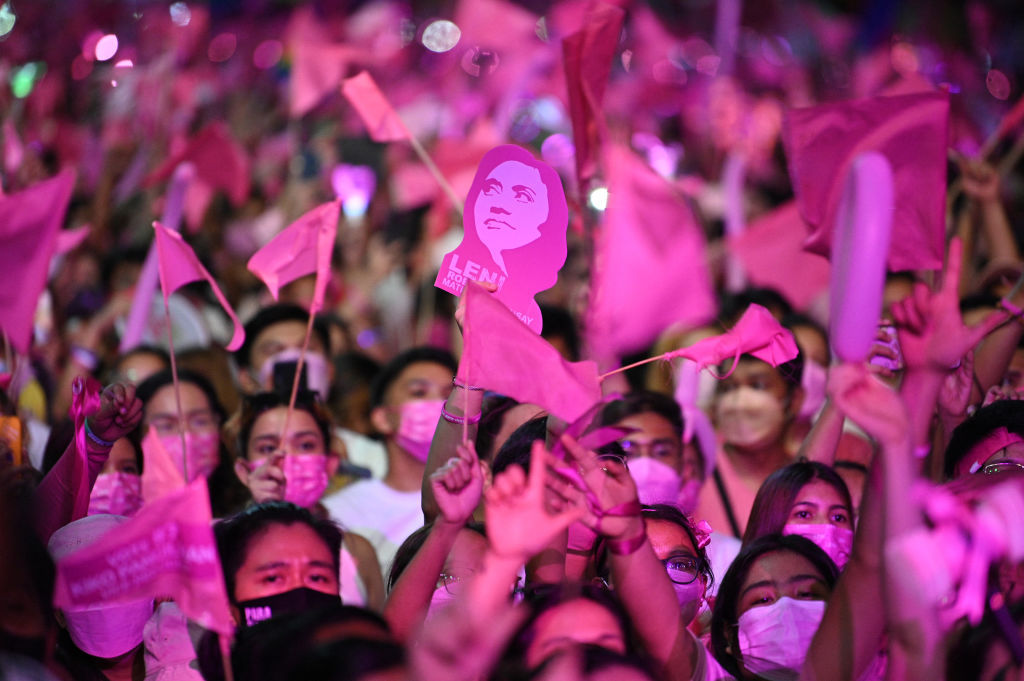
The study is based on the Pink Movement, the people power-led initiative for the presidency of Leni Robredo in the elections of 2022 in the Philippines. The augmented impact of digital activism has become a device of changed definition in which the very public form of political engagement has been redefined, where social media networks also act as subjects of that change. Through this, it garnered volunteers, provided political discourses and created power structures as it has organised it all through social media. This paper uses ethnography and networks to study how online interactions translate in terms of political activism, increasing collective identity and civic participation. This study demonstrates the power of digital platforms in initiating political participation and creating social change through the movement’s effects or analysis of those effects.
Social Media in Modern Philippine Campaigns
Because of today’s digital age, social media plays a big role in guiding public perception, impacting how people vote and activating social movements (Goswami, 2018, p.04). According to (Macaraeg, 2022, as cited by Kalonda, 2023), Robredo heavily focused on communication efforts led by volunteers, whose approach was centered on the contribution of ordinary people. Through this volunteer-driven model, supporters were in the front row in spreading the campaign’s message by engaging in one-on-one discussions, initiating and leading rallies, and sharing appropriate content on social media, which her efforts in inspiring many to be hopeful for positive changes were united as a common belief in her as a leader. “In Philippine Society, Social Media is a powerful force” (Sierra & Yanuaria, 2022, p.07). In Of Choices and Will: Influence of Media and Historical Linkage as a Voting Reference in the Philippine Election 2022, Sierra & Yanuaria, (2022, p. 07), mentioned that because of the widespread impact of COVID-19 pandemic, traditional campaign methods became difficult to conduct safely. That is why many politicians in the Philippines were prompt to adapt, leveraging social media as a primary tool to ensure continued engagement, public outreach and interactions. Based on (CNN, 2021, as cited by Sierra & Yanuaria, 2022, p. 07), the transition was a temporary adjustment and a crucial transformation in political communication. As Filipinos spend more time online, these platforms have emerged as the primary and most efficient means to communicate political content, engage with citizens and build support to navigate the realities of limited physical movement. For this reason (Herman, 2021, as cited by Sierra & Yanuaria, 2022, p. 07), social media platforms emerged as a key political strategy for election campaigning. Instead of using the traditional method, social media platforms facilitate an easier way for politicians to communicate directly with the public about pressing issues to influence their perception efficiently. Herman (2021) also pointed out that social media benefits the candidates and the public by allowing access to values, policies, and personalities. With the ease of online engagement, the public can easily get to know how politicians respond to issues and debates.
Social Media and Voter Decision-Making
The ease of accessing information online helps inform voters with a candid view of the candidates, which is truly open and transparent. As stated, (Hedman 2010, as cited by Aperocho & Lapiña, 2022, p. 143), public perception and their image are significant in Philippine politics. It is relevant because they embodied the trust and recognition to weigh in favor of choosing who would become the leaders among the Filipino voters. Filipino voters prioritise a candidate’s perceived character and family background in these contexts. This means that candidates’ self-presentation may even be more persuasive than qualifications. As mentioned in The Applicability of Political Marketing and its Impact on Voters, Kalonda (2023, p. 1401), Political marketing evolved significantly after the 2022 Philippine elections as social media became central to the process, introducing a more dynamic and versatile method for political branding. Because of this, candidates grasped the potential of these digital platforms to engage with voters directly and emerged as a crucial element in political marketing, allowing political candidates to reach millions of voters quickly and effectively.
Social Media as a Platform for Collective Action and Political Expression
Social media influences people and organisations to share their causes and reach wider masses, and it is an avenue where people can freely express their opinions and rally support. According to Goswami (2018), what often starts as a post, hashtag, or online campaign by a single person or a small group can attract widespread attention and become a real-life demonstration. In 2007, hashtags first emerged as a way to categorise and organise content on social media (Payne, 2025, para.04). Past research studies greatly contributed to understanding social media activism. However, they often ignored the key relationship of political self-identity, digital storytelling, and activism. In the past ten years, many scholars have studied how activists use social media to organise and engage in collective action, and these platforms have now become critical spaces in which collective identity is formulated, articulated and mobilised through shared experiences and hashtag-driven engagement (Papacharissi & Trevey, 2018). The impact of hashtag campaigns became a strong tool because they provide a platform to actively participate in public discourse (Goswami, 2018, pp. 03-04). This is why the research also delves into the role of social media with the “Pink Movement” in Leni Robredo’s 2022 presidential campaign in the Philippines, as it was one of the prominent manifestations during her campaign of political activism, of never losing hope.
Online Communities and the Rise of the Kakampink Movement
The movement was based on this popular appeal for an “honest government”, deepening political divisions in the country and eventually leaving the public with divided opinions. However, even so, supporters remain united in their advocacy for more transparent leadership and better living conditions for all because of a common optimism and purpose. According to Pagtalunan (2024), the Pink Movement emerged as a mirror of the activism and democratic values during the 1986 revolution, opposing the return of the Marcos family to power. Alongside, The Pink Movement was started and driven by ordinary citizens who demanded transparency, accountability, and honest leadership; what made this more powerful was the involvement of multi-sectoral groups, which helped drive the movement through volunteering, financial support, and event coordination (Pagtalunan, 2024, para. 05). Robredo’s presidential campaign stood out because volunteers led it, which is rarely seen in Philippine politics; aside from the big events, the supporters also participated in door-to-door campaigning. Even though volunteers led the movement, some people still saw it as being supported mainly by the upper or educated class because of how it appeared on social media (Lazaro, 2022).
Elections in the Philippines often generate strong emotions and intense public focus that leads to political discourses being confined to different social media platforms, which offer a space for people to mobilise their views on various political matters. These are ways in which they can relate to social action, increasing the interpretation of the voices of many individuals and communities previously underqualified in representation. Furthermore, it changes how digital platforms gain importance as a channel of political interaction with a visible and measurable impact in the real world. While politicians did not regard these platforms as more than entertainment, they somehow became a platform to influence voter behavior (Ampon & Salathong, 2023). According to Bautista (2022), Media organisations, especially local news outlets, highlighted how Facebook and other platforms became major influencers of the voters’ selection in the Philippines. Since it is one of the most used platforms in the country, it acts as a medium for political persuasion and voter engagement (Bautista, 2021, as cited by Ladia & Panao, 2023, p.566). This makes Facebook one of the most viable communication channels for political candidates. Most of them have official pages as part of their campaign. Through these pages, candidates engage with a wide range of content wherein supporters are encouraged to follow them because these interactions build online communities to amplify campaign messages beyond traditional media channels. Mentioned in 2022’s Trinity: A pandemic, TikTok, and a new president, Valmonte (2022, p.21) Because of this, aside from her official campaign pages, it was also complemented by her volunteers creating numerous pages to promote her platform and gather more support on a national scale. From more than a thousand volunteers following through her official Facebook page, widely known as “Kakampink”, this was reflected and followed based on their hashtags #LabanLeni, showcasing the widespread virtual participation of the movement.
Leni Robredo: A Campaign for Empathy and Inclusion
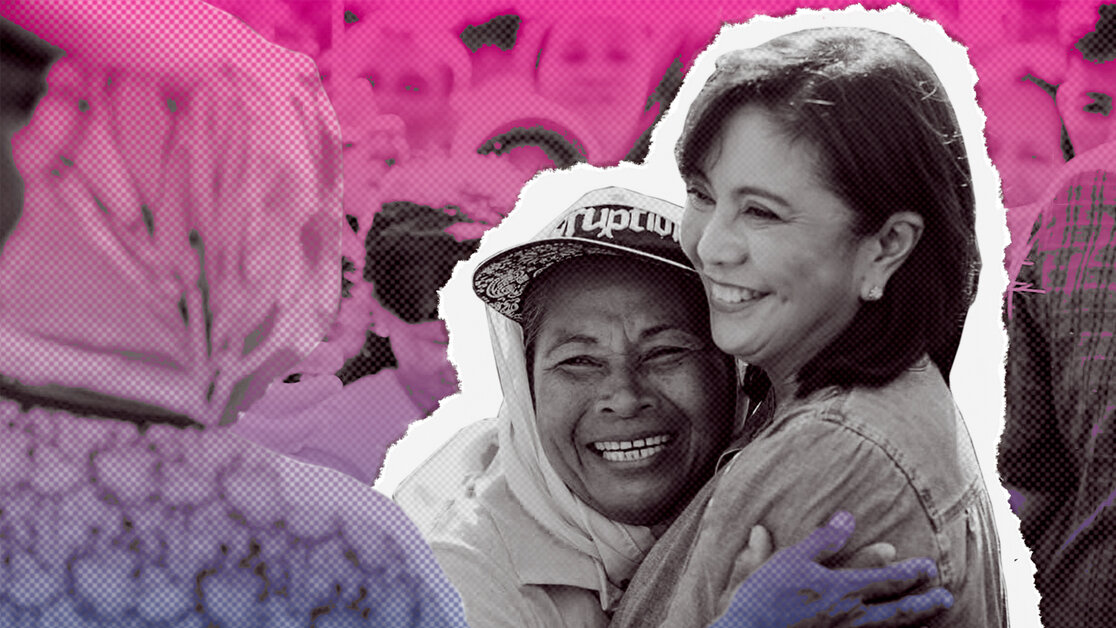
Robredo strategically brought attention to issues and sectors that are usually overlooked in mainstream political discourse on her social media platforms. This included the needs and voices of marginalised groups, including Muslim communities, people who live in remote areas and members of the LGBTQ+ community. People closely engaged with her campaign include making communities share values on showing empathy, representation, and inclusion, thus enabling a more meaningful connection among populations usually excluded from national politics (Ampon & Salathong, 2023). As stated in Philippine Elections 2022: The Sentimental Masks of Marcos and Robredo, Espiritu & Cristobal (2022, pp. 412-413) mentioned that rebranding of the image is important in politics, wherein Leni Robredo also engaged. By running as an independent candidate, she adopted the colour “pink” as a symbol of her campaign, symbolising hope, which is her campaign advocacy. According to Enano (2021), social media turned pink once Robredo announced her candidacy, representing hope amidst public health and economic problems. As mentioned in How Candidates Utilized Social Media for the 2022 Elections, Macaraeg (2023, para.04) on Facebook, Robredo has a higher volume of online discourse, for she has more mentions on the platform.
Youth Empowerment and Political Engagement in Robredo’s Campaign

As stated in Filipino Youth in Viral and Virulent Times: Unpacking the Predictors of Youth Political Participation in the 2022 Philippine Elections (Weiss, 2020, as cited by Ladia & Panao 2023, p.566), many young individuals are not necessarily interested in politics but rather choose not to be included due to their own beliefs and opinions. Kitanova also mentioned that young people prefer to participate in direct or expressive actions like engaging online, which is the newer and less traditional way (Weiss, 2020). Bautista 2021, as cited by Ladia & Panao 2023, also agreed that young people grow their awareness politically through opinions from their family and, mostly, the media. Aside from this, Duffney (2022) stated that young people were drastically disappointed with former President Duterte. During this, Robredo openly condemned his leadership, which is why young voters came out to support Robredo’s candidacy fully. The campaign also recognised that the youth can influence how the results will turn out. Additionally, based on How the Philippine Youth Saw Hope through Good Governance, Mariano (2023, para. 03), because of her advocacy, young people were inspired to follow this and create different groups in support of making an impact. In a recent interview with the BBC, a 17-year-old non-registered voter still showed his support because he was helping his mom decide who was the most qualified candidate to lead the country (Johnson & Head, 2022). Furthermore, as stated by Duffney (2022), Robredo’s team recognises how much every young voter matters, being almost half a million out of the entire number of registered voters aged 18-30. She attracts huge, energetic crowds to her rallies, which distinguishes her campaign very readily by the excitement and visibility of the youth sector. Moreover, these groups perceive this influence as a means of connecting and creating equal opportunities for needy people.
Influential Figures and Their Support for Robredo’s Vision

Various influential figures and national artists openly expressed their support for Robredo, which, through this, helped strengthen her voters, particularly among the young people, by using their reputation and social media channels to connect with more people. One of the national artists said, “She needs us, we need her. Gawin natin lahat (Let us do everything) for the love of this country” (Reyes, as cited by De Leon, 2022, para. 03). Flores (2022) also stated that musicians remarked that Robredo is the sole candidate who can improve the lives of the public. Which the candidate humbly mentioned in the article PH National Artists endorse Robredo for President, Manila Bulletin (2022, para.03) “Hindi ninyo naman kailangan lumahok pa pero lumalahok kayo dahil sa malaking pagmamahal sa bayan (You don’t need to join but here you are participating because you have a great love for the country)”. As mentioned in The Role of Celebrity Endorsements in Philippine Elections, Anacay (2024, para. 01 – 04) states that politics in the Philippines has increasingly mirrored the aspects of those in the entertainment industry. The focus has shifted to building a good image, maintaining a strong media presence, and showing one’s expertise in governance. Public figures and actors in the entertainment scene support politicians by endorsing or pursuing public office. Critics also say that nowadays, politics is getting too much like the entertainment industry, prioritising image over actual leadership capability and expertise. This phenomenon has been recognised as “celebrification” or “celebritification”, which captures the increasing influence of celebrity culture on public life. Also, this imagined relationship shapes political judgment. Even though voters are the ones who decide who to write under election ballots, the use of celebrities may affect their choices (Anacay, 2024, para. 06).
Conclusion
This marked the beginning of digitised campaigning in the Philippines. The digital space made an unprecedented entrance into the discussion and the currents of the election. The presidential campaign of Leni Robredo was a prime example of a new way in which social media and grassroots digital activism transformed the way politics is performed in the movement. Added to all this is the attention that Robredo has gained, including all her political advocacy, on the future of engagement with politics in the digital age, both within the Philippines and internationally. Therefore, the campaign’s success was an element in Robredo’s political ideas and leadership and an affirmation that ordinary citizens could have a political voice. Most of these volunteers had been there from the early stages of the movement, forming rallies and making online viral campaigns. They were also extremely devoted to ensuring that her messages on transparency, good governance, and compassion reached as many people as possible. This was the beginning of breaking the conventional political campaign strategies. In effect, this is the new age of Philippine politics, where political engagement is increasingly defined by wavering internet connectivity and social media, as well as the willingness and ability of citizens to engage and contribute to campaigns. Furthermore, the success of this movement emphasized the increasing importance of image and personal branding in political campaigns. Indeed, her campaign was even viewed by many as more than a political campaign. This real cultural and social movement was attempting to break political traditions and give voice to marginalized communities, such as Muslims, LGBTQ+ people, or those living in geographically isolated areas. One way the campaign culminated was through the actual engagement of issues to social media, especially dealing directly with the communities concerned, thereby putting up on record that this campaign was engaged in such matters. In conclusion, it states that such activities as the Pink Movement exemplify a digital platform’s great power in reconstructing political participation and support. This becomes important as technology forms all aspects between candidates and their voters for immediate engagement and motivation of people around the ideals and purposes of their campaign. It reflects the power of many ordinary citizens in making change and calling for greater transparency, inclusion, and fairness in the political system. It is already concluded regarding the next phase in political campaigning that social media will provide a political landscape where everyone can access and participate.
References
- Ampon, R. K. S., & Salathong, J. (2023). ‘Battleground of Philippine Elections’: Political message strategies of Bongbong Marcos and Leni Robredo on social media. International Journal of Social Science and Human Research, 06(07). https://doi.org/10.47191/ijsshr/v6-i7-32
- Anacay, P. (27 December 2024). The role of celebrity endorsements in Philippine elections. Capstone-Intel. https://www.capstone-intel.com/the-role-of-celebrity-endorsements-in-philippine-elections/
- Antonio, R. (14 February 2022). PH national artists endorse Robredo for president. Manila Bulletin. https://mb.com.ph/2022/02/14/ph-national-arists-endorse-robredo-for-president/
- Aperocho, M. D. B., & Lapiña, I. C. C. (2022). Face-Saving strategies in Leni Robredo’s Post-Election speech. International Journal of Qualitative Research, 2(2), 143–151. https://doi.org/10.47540/ijqr.v2i2.663
- Bautista, R. (2022), Politicians on Facebook: What is there to know about Philippine politics and political participation?
- BBC News. (6 May 2022). Leni Robredo: The woman leading the Philippines’ “pink revolution.” https://www.bbc.com/news/world-asia-61318519
- De Leon, M. (15 February 2022). 5 National Artists announce support for Leni Robredo’s presidential bid. RAPPLER. https://www.rappler.com/philippines/elections/national-artists-announce-support-leni-robredo-presidential-bid/
- Duffney, J. (5 May 2022). Young voters of the Philippines supporting the Robredo campaign. The Organization for World Peace. https://theowp.org/young-voters-of-the-philippines-supporting-the-robredo-campaign/
- Enano, J. O. (8 October 2021). Social media tickled pink by Robredo’s decision | Inquirer News. INQUIRER.net. https://newsinfo.inquirer.net/1498861/social-media-tickled-pink-by-robredos-decision
- Espiritu, T., & Cristobal, G. (2022). Philippine Elections 2022: The Sentimental Masks of Marcos and Robredo. Contemporary Southeast Asia, 44(3), 411–420.
- Flores, H. (2022, April 22). Musicians band together for Robredo. Philstar.com. https://www.philstar.com/headlines/2022/04/23/2176121/musicians-band-together-robredo
- Goswami, Manash. (2018). Social Media and Hashtag Activism.
- Kalonda, Heritier. (2023). THE APPLICABILITY OF POLITICAL MARKETING AND ITS IMPACT ON VOTERS.
- Ladia, C. E. P., & Panao, R. a. L. (2023). Filipino Youth in Viral and Virulent Times: Unpacking the predictors of youth political participation in the 2022 Philippine elections. Child & Youth Services, 45(4), 560–582. https://doi.org/10.1080/0145935x.2023.2261362
- Lazaro, R. (2022, June 5). Philippines: Leni Robredo: A symbol of hope. Friedrich Naumann Foundation. https://www.freiheit.org/philippines/leni-robredo-symbol-hope
- Macaraeg, P. (31 October 2023). How candidates utilized social media for the 2022 elections. RAPPLER. https://www.rappler.com/nation/elections/study-how-candidates-utilized-social-media-2022-
- Mariano, Q. (2023). How the Philippine Youth saw hope through good governance. (n.d.). How The Philippine Youth Saw Hope Through Good Governance | Joint SDG Fund. https://jointsdgfund.org/article/how-philippine-youth-saw-hope-through-good-governance
- Pagtalunan, J. (2024, May 24). The Pink Movement: Restoring or polarizing democracy in the Philippines? – Democratic erosion. Democratic Erosion Consortium. https://democratic-erosion.org/2024/05/23/the-pink-movement-restoring-or-polarizing-democracy-in-the-philippines/
- Papacharissi, Z., & Trevey, M. T. (2018). Affective Publics and Windows of Opportunity: Social media and the potential for social change. In G. Meikle (Ed.), The Routledge companion to media and activism (1st., p. 1 online resource (xvi, 419 pages.)). Routledge. https://doi.org/10.4324/9781315475059
- Payne & Laura. (19 November 2024). Hashtag | symbol, history, social media, and activism. Encyclopedia Britannica. https://www.britannica.com/topic/hashtag
- Sierra, R. & Yanuaria, F. (2022). OF CHOICES AND WILL: INFLUENCE OF MEDIA AND HISTORICAL LINKAGE AS A VOTING REFERENCE IN THE PHILIPPINE ELECTION 2022.
- Valmonte, K. (2022), 2022’s a trinity, A pandemic, Tiktok and a new president


Hi Shannon Kate, You’re right to ask; it is incredibly difficult to police these issues today. Predatory behaviour isn’t exclusive…