In this digital age, everyone uses electronic devices to browse current information. This gradually promotes the formation of online communities. According to Hampton (2015), it mentioned that social media and online platforms make communities more permanent and people can stay connected regardless of time and location. Traditionally, churches build Christian’s faith through physical gatherings. However, after the Malaysian Movement Control Order (MCO) happened, churches are increasingly using social media as a platform to progress online activities. They have been using platforms such as Facebook, YouTube, and Instagram to share information with people. The church can use social media to let people know about upcoming events and share the gospel with everyone (Badmos, 2014). Through these social media platforms, it can attract and expand their influence to build a meaningful community. In this conference paper, it will discuss about how churches use Facebook, YouTube, and Instagram to build online communities. It also will discuss about the challenge between these social media platforms and the church community.
Firstly, Facebook is a huge online platform for different age groups. People can use Facebook to communicate, share, and create their pages. It allows people to interact with different people from all over the world. Facebook is not only a social platform but also a social infrastructure that can join with community, advertising, information sharing, and other aspects (Bucher, 2015). So, some churches use these Facebook strengths to update and promote their recent events.
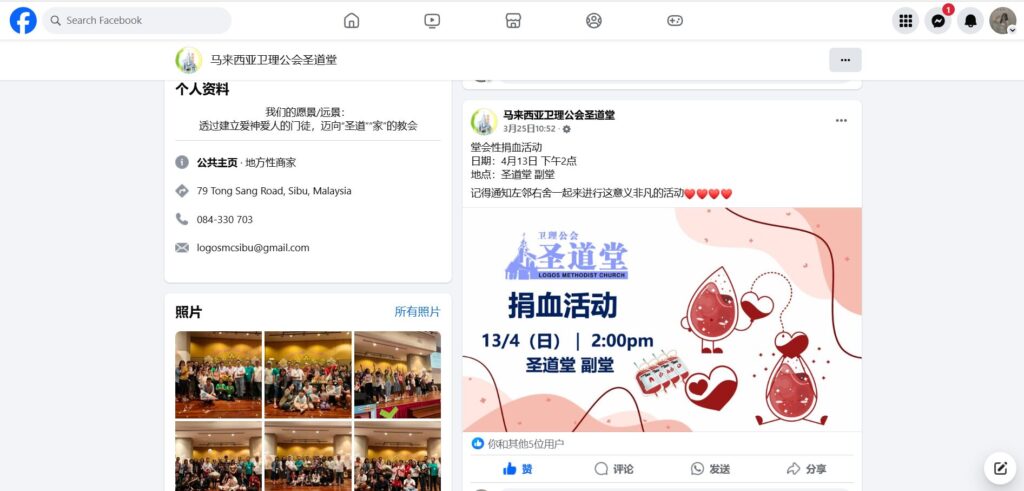
For example, Logos Methodist Church at Sibu Sarawak held a blood donation event on April 13. They designed a poster and posted it on their Facebook page to invite the community to participate in this meaningful event. Through the blood donation event, the church can gather a group of people who can donate blood online to come and care for the nearby community.
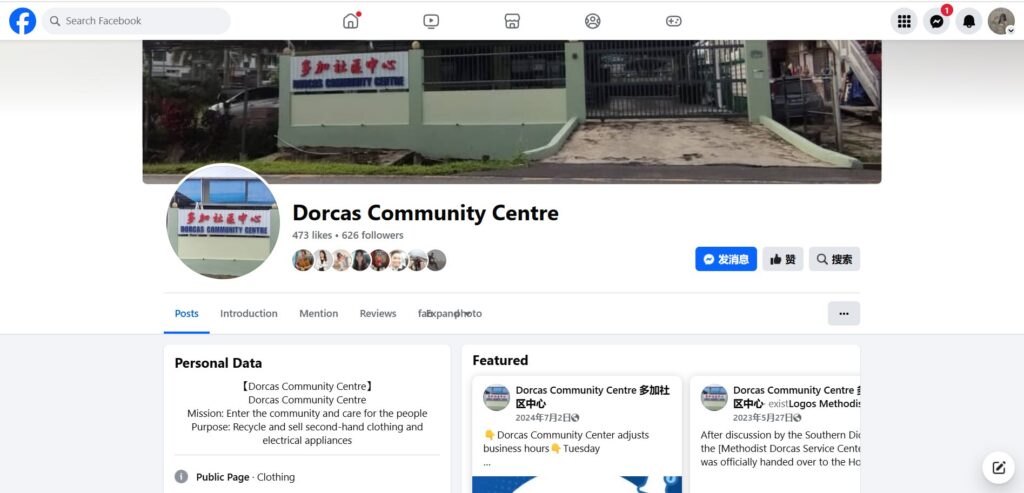
Dorcas Community Centre is a centre that was opened by the Methodist Church. Through Facebook, people can know that this centre aims to use the proceeds from the sale of second-hand clothing to help those in need. It builds the communities where people can participate both online and offline. This is because people can not only go to physical stores to buy, but they can also buy online or share their posts to let more people know about this social care activity.
In addition to delivering messages, Facebook provides a platform for a group of like-minded people to create groups. Each group member can share their interests or any topic that they want to discuss with each other. Facebook groups can be public to any users or private only for our friends. According to Bucher (2015), he thinks that Facebook groups can encourage people to participate in meaningful social interaction and build strong relationships with people.
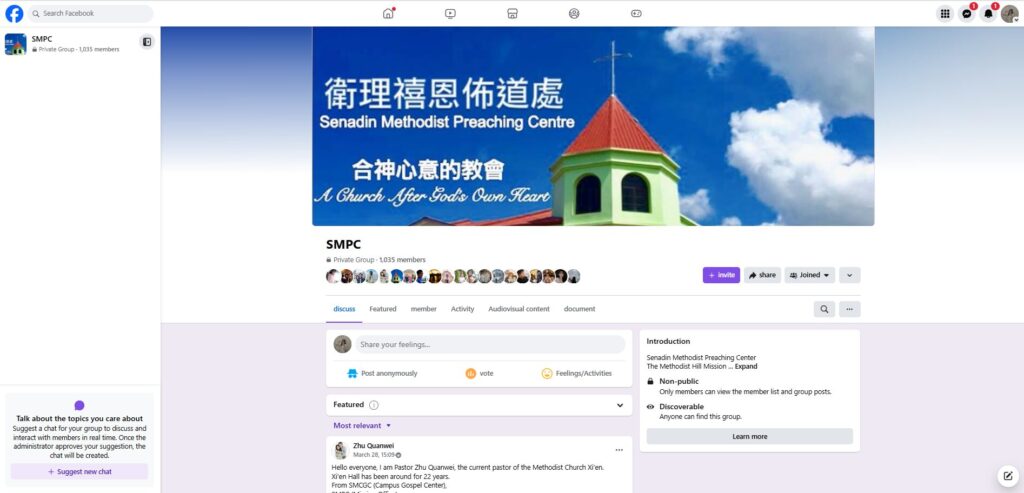
This is a private group of Senadin Methodist Preaching Centre (Now already changed to Senadin Methodist Church) for youth fellowship. The purpose of creating this group is to provide a lovely and Disciple-Making Church Family for the youths. It is mostly used to inform the important messages and also post the recent event photo. So, it creates a online church community for their youth.
Secondly, YouTube is another online platform that can easily build online communities. According to Wattenhofer et al. (2021), YouTube mostly focuses on video or live content, not too much on social relationships. Since the MCO period in Malaysia, most churches have begun using YouTube to livestream their Sunday worship services. Before MCO, there was a physical church location to people came and worshiped. But today’s society has begun to use social media as a foundation, and communities are no longer limited by physical space (Hampton, 2015). For the people who quarantine, social media has become a space for community building, solidarity, and emotional support (Cinelli et al., 2020).
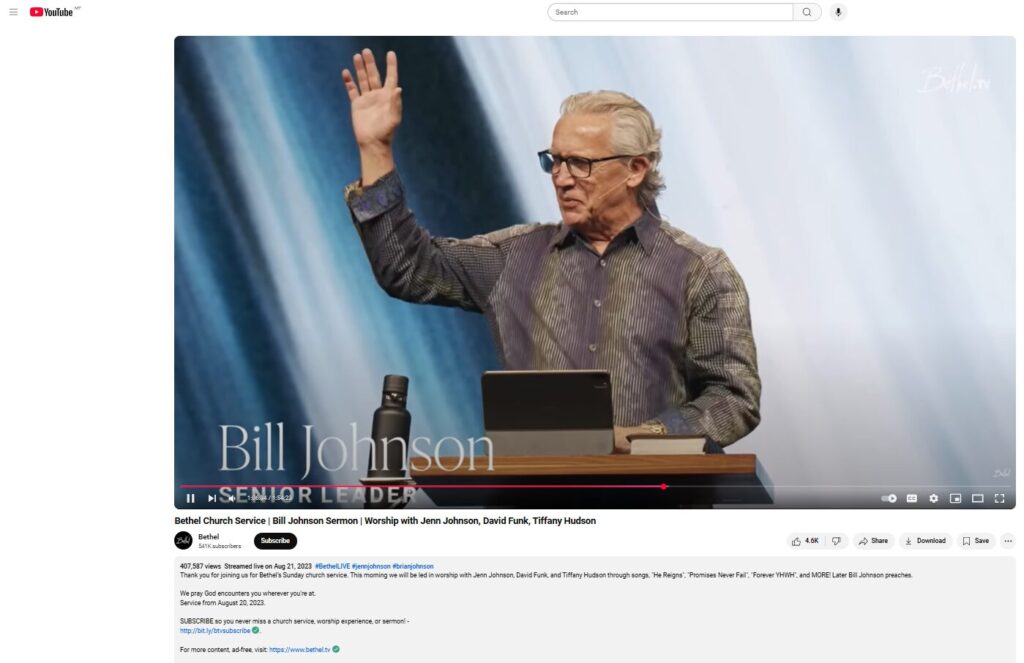
This is one of the examples they use YouTube to live. Although COVID-19 is over, churches can still continue to make good use of YouTube’s live streaming function so that those who are physically inconvenienced, sick, or just found through recommendations can join online Sunday service.
Besides, YouTube provides a space for people to interact and communicate. People can add their comments in the comment area of the video. YouTube also provides the space for some Christian organizations such as Stream of Fraise, Hillsong, Joshua Band, and other Christian communities to spread their content. This not only spreads their worship team songs but also becomes a tool for evangelism through these songs. (Thornton and Evans, 2015)
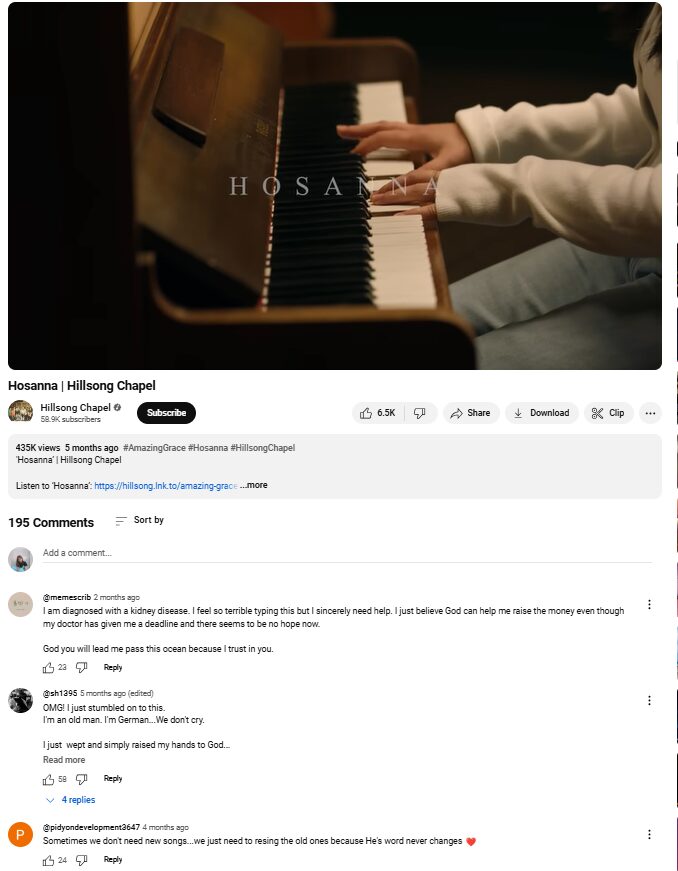
This is one of the songs uploaded by Hillsong Chapel. As we can see, it has 435K views to this video. There also many viewers comment on this video to express their feeling when they heard this song. Invisibly, these interactions can foster a community of shared worshipping and spiritual communion.
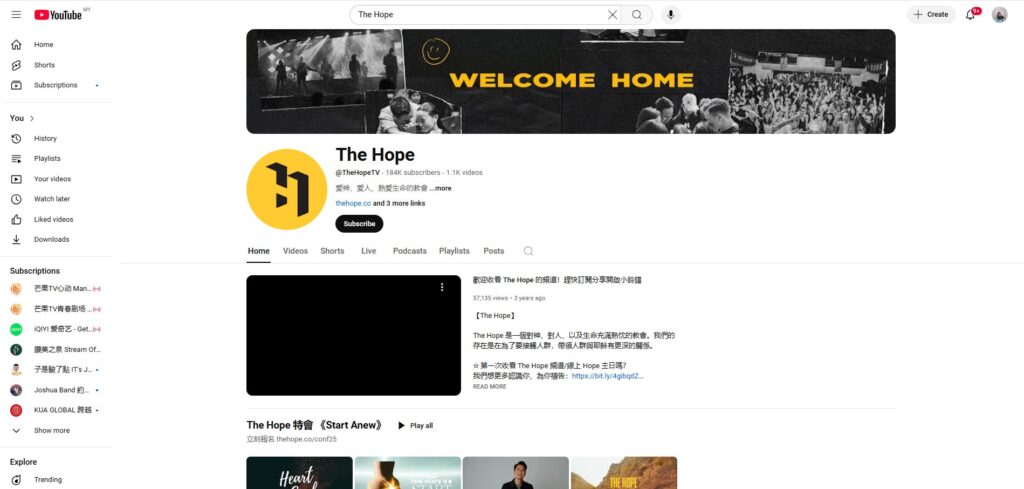
The Hope is a church from Taiwan. They started their YouTube channels in the year 2019. They upload different types of videos, such as Sunday worship services, Sermon Series, The Hope Music, shorts, podcasts, and live videos. It provides a online community to the Christians all over the world.
Thirdly, Instagram is one of the international platforms that many people use now. It easily reaching young people because Instagram is more inclined toward multimedia content like reels over than textual information which appeals particularly to Generation Z and Millennials. (Jun, 2022). Therefore, most church youth fellowship will be more adept at using Instagram as an online community building platform. Churches should manage their Instagram account well to create an online community focused on youth people.
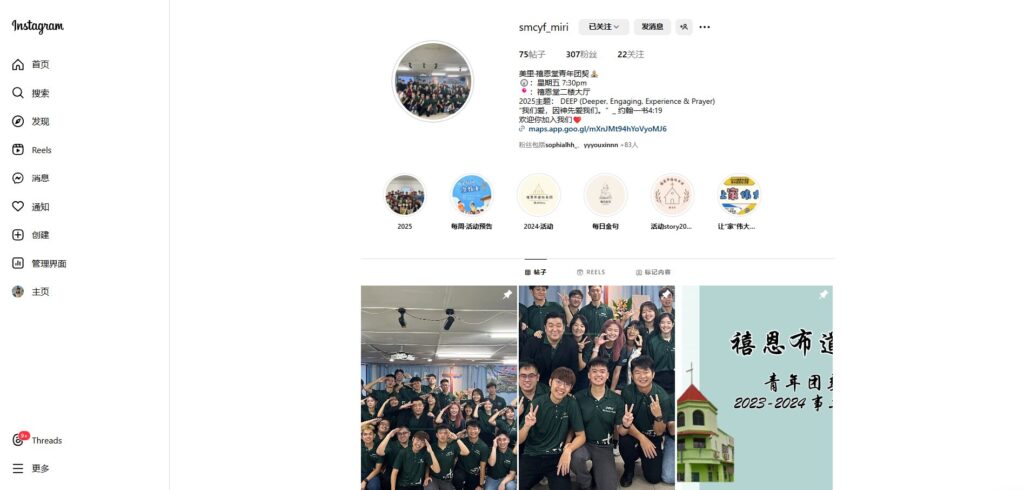
For example, this is the Instagram page of Senadin Methodist Church Youth Fellowship. Most Curtin University students join this fellowship because it’s near Curtin University and also their social media is very active. People can through their Instagram page to know about the event of this fellowship. So, they build an online community connection with Curtin University students or local youth using Instagram.
Furthermore, churches can find creative ways to shoot short videos and post them on their Instagram profiles. Instagram provides a space like reels to upload their short video (Kaneshiro, 2024).
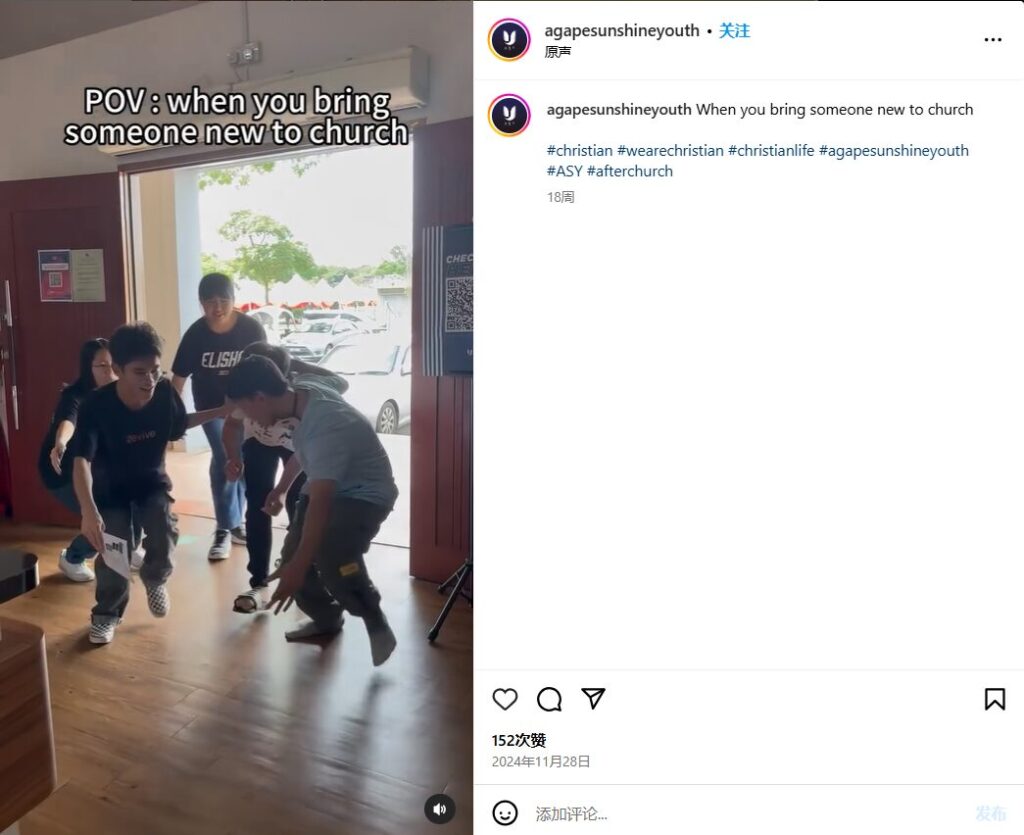
Point Of View (POV) is a trend in recent months. This is one of the examples from the Instagram of AGAPE Community Church Seremban youth fellowship. They use the POV trends to make a creative video. It easily attracts young people to come to church when they watch these videos.
Some churches will use Instagram to share the message of the Bible by creating a short video. They can cut within 1 to 2 minutes from their Sunday worship services video recording and post at reels. It can be gathering all Christians together to build an online community. It also has the chance to share the gospel with non-Christians.
Although social media can effectively help churches build online communities, it also adds many challenges. On social media, churches cannot fully understand people’s faith status. They can only estimate how many people are exposed to the content they send out through data such as likes, comments, and views. Moreover, the church must also know how to distinguish the authenticity of information. This is because the content on social media may contain inaccurate or misleading religious information, which will cause doubts among followers (Banaszak, 2022). According to Dyikuk (2022), the information shared through social media may be taken out of context, which will result in a misunderstanding of the Bible’s knowledge. Therefore, the church needs to pay more attention to the content of information on social media to be consistent with the teachings of the Bible. In social media, the church also will meet the problem of the digital divide. For example, some elderly people may lack equal access to the internet or technology (Garrett, 2024). They don’t know how to use social media to browse the church information.
In conclusion, social media is very important for churches to build online communities. Churches must use social media to promote community development. Facebook, YouTube, and Instagram all have different strengths to help churches build online communities. On Facebook, churches use public pages to share community care plans and promote upcoming events to people. This is a good way to maintain interaction between the church and the local community. On YouTube, some churches will continue to live stream and share bible message videos for Sunday worship service after the MCO. By uploading to YouTube, users can watch it anytime and anywhere. On Instagram, the church has focused on leading the youth community in recent years. Through interesting and creative short videos, the church can attract young people to attend our fellowship. Whether they are Christians or non-believers, they can learn about the church and know more about God. In the future, churches have to make good use of social media resources to build more connections with the online community.


Hi Shannon Kate, You’re right to ask; it is incredibly difficult to police these issues today. Predatory behaviour isn’t exclusive…