Abstract
In the age of social media, the collection and use of personal data has become important debates surrounding privacy and data protection. Social network sites have transformed the way we communicate, interact, and express ourselves online. However, the collection, storage, use, and sharing of personal data by social media companies have also raised concerns about data privacy, surveillance, and the exploitation of personal information. This paper examines how online users and communities respond to cybercriminals act as a refracted public on social media platforms, using the Facebook data breach incidents as a case study. The study explores how social interactions on social media platforms can result in the spread of identity theft and other cybercrimes, threatening community and individual identities. It also discusses the ways in which online users and communities are fighting back to protect themselves as networked or refracted public.
Background
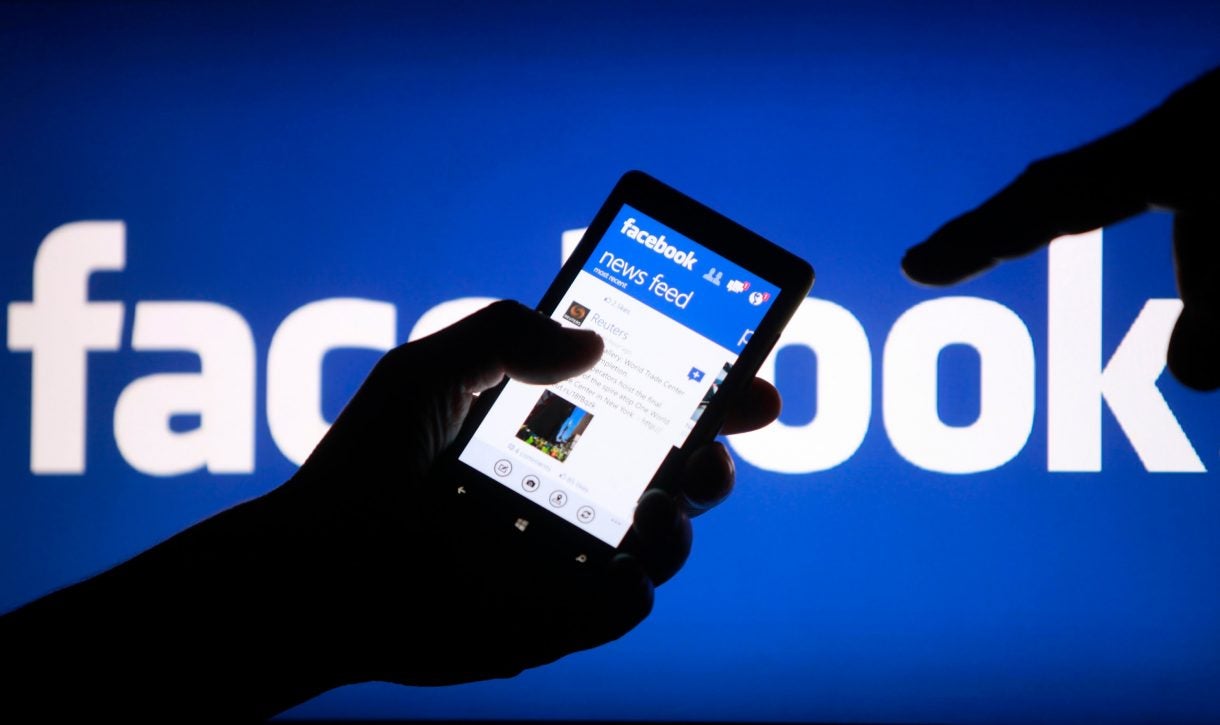 “This work” by Gemma Ryles, Trusted Reviews is licensed under CC BY-NC-ND 4.0
The widespread use of social media platforms like Facebook, which is one of the largest social media sites with 2.963 billion active users in the world in January 2023. (KEMP, 2023, para. 1), has also led to a rise in cybercrime and data breaches, resulting in the theft and trade of personal data, identity theft, and other forms of cybercrime. Facebook data breaches have occurred multiple times since the platform’s inception in 2004. The most significant incident occurred in 2018 when the personal data of up to 87 million users was harvested without their knowledge by political consultancy Cambridge Analytica (Schneble et al., 2018, para. 2). This data was then allegedly used to influence political campaigns, including the 2016 US Presidential election (Judge, 2022). This incident raised concerns about data privacy and led to increased scrutiny of social media platforms and their data collection practices.
This paper will investigate how online users and communities are responding and fighting back to protect themselves as networked or refracted publics. Through the analysis of case studies and academic research, this paper will examine the various strategies and measures that online users and communities can or have implemented to safeguard their personal data and protect themselves online.
Overall, this paper aims to shed light on the complex and multifaceted issues surrounding the use of social media platforms and the need to balance the benefits of online identity with the risks of cybercrime and data breaches.
Refracted and Networked Public on Social Media
The concept of a refracted public, as proposed by Abidin (2021), refers to a group of individuals who are connected through a common interest or identity, but who are not necessarily physically present in the same location. In the context of social media, refracted publics can form around a variety of interests, including hobbies, political views, and personal identity. However, refracted publics can also provide a space for cybercriminals to engage in social interactions aimed at stealing personal data.
Cybercriminals can be considered a refracted public because they operate in a fragmented and decentralised manner, using social media platforms and other digital tools such as private groups, locked platforms, or ephemeral contents (Abidin, 2021, p.10), to engage in criminal activities and keep themselves “below the radar”.
The refracted publics on social media have created a new landscape where personal data is collected, analysed, and shared by various actors. This has led to ethical concerns about the use of personal data and its impact on individual identities. Brusseau (2019) argues that the collection and use of personal data have a significant impact on how individuals are perceived and identified. This raises questions about the ethics of identity in the time of big data. Social media platforms collect vast amounts of personal data from users, including their likes, comments, and shares. This data is then used by algorithms to target users with personalized content and advertisements. Leaver (2015) argues that social media platforms have become a site of “identity management” where individuals create and maintain their identities. However, the use of personal data by social media companies and third-party actors has raised questions about the authenticity of these identities.
The impact of refracted publics on personal data protection and individual identities is significant, as it affects both individuals and communities. Social media has become a platform for community building, advocacy, and activism (Ellis & Goggin, 2018; Jackson et al., 2018). The ways in which individuals present themselves online can have significant implications for their privacy and security (van Dijck, 2013). However, the collection and use of personal data by social media platforms and other actors threaten these communities when sensitive information are exposed, such as political affiliations, sexual orientation, and religious beliefs. This can have serious implications for individuals, including discrimination and exclusion from certain services or opportunities.
The Cambridge Analytica scandal, where the data of millions of Facebook users were harvested without their consent, is a prime example of how personal data can be used to influence political outcomes (Hampton & Wellman, 2018). The spread of fake news and misinformation during the COVID-19 pandemic is another example of how personal data can be used to spread harmful content (Cinelli et al., 2020).
As such, it is essential to understand the nature of this refracted and networked public and its activities in order to protect individuals and communities from the harm caused by cybercrime.
Threats to Community and Individual Identities
The Facebook data breaches represent a significant threat to both community and individual identities. All Facebook and other social media users are potentially at stake in terms of their personal data privacy and security. However, those who share more personal information and engage in more online activity are generally at higher risk. Additionally, users who may be targeted for their identity (e.g. activists, journalists, political figures) or those who have sensitive personal information on their profiles (e.g. financial information, home address, phone number) may be at even greater risk. They are threatened by the potential consequences of identity theft and other cybercrimes that can result from unauthorised access to personal data on social media platforms like Facebook. Cybercriminals can use this data to commit fraud, steal financial information, or even impersonate individuals. This can cause significant harm to the individual whose identity has been compromised, as well as their wider community, such as family, friends, and co-workers. Additionally, the spread of personal data through these breaches can lead to a loss of trust and sense of safety within the community, as individuals may be wary of sharing personal information online. Overall, the threat to community and individual identities highlights the need for greater security measures to protect personal data on social media platforms, and for individuals to be more aware of the risks associated with sharing personal information online.
There have been multiple cases of data breaches on Facebook. One of the most significant was the Cambridge Analytica scandal in 2018, which involved the harvesting of personal data from millions of Facebook users without their consent. The data was then used for political advertising during the US presidential election in 2016, and it is believed to have influenced the outcome of the election. (Henderson et al., 2018)
Another example is the 2019 data breach that affected 50 million Facebook users. In this incident, attackers exploited a vulnerability in Facebook’s code to steal access tokens that allowed them to take over users’ accounts. The attackers were able to access users’ personal information and use their accounts to post and interact with others on the platform.
These incidents highlight the serious threats to community and individual identities that can arise from data breaches on social media platforms like Facebook. The personal data that is stolen can be used for a variety of nefarious purposes, including identity theft, financial fraud, and even physical harm. It can also lead to a loss of trust in social media platforms and a decline in their use, which can have negative implications for community engagement and communication.
Online communities are responding to these challenges by advocating for greater transparency and accountability from social media companies and other actors. For instance, advocacy groups such as the Electronic Frontier Foundation and the Center for Digital Democracy have been lobbying for stronger data protection laws and regulations. (Nir & Efa, 2021; Chester, 2022). Social media users are also taking steps to protect their personal data by adjusting their privacy settings and using tools such as ad-blockers and virtual private networks (VPNs). Some users have even started to leave social media platforms altogether, citing concerns about the use of their personal data. (Hong & Oh, 2020, para. 6)
However, the upgrading of security features on social networking sites (SNSs) has had side effects on scholarly research. Axel Bruns (2019) describes in “After the ‘APIcalypse’: social media platforms and their fight against critical scholarly research” how the changes in the APIs (Application Programming Interfaces) of social media platforms have caused issues for researchers attempting to access user-generated data. These changes have resulted in reduced transparency and access to data, which has hindered the ability of researchers to conduct critical studies on the impact of social media on society. Bruns (2019) argues that social media companies need to prioritise openness and accessibility in their platform upgrades to enable scholars to conduct rigorous and transparent research.
Protecting your Personal Data on Facebook and other SNSs
Despite its spotty security history, Facebook is still a dominant force in social media. Users have stuck with this forum despite some massive security issues. You should not assume that Facebook will automatically keep your data safe. Be proactive and put your own safety measures in place.
Protecting personal data on social networking sites (SNSs) such as Facebook is of utmost importance in today’s digital age. These platforms collect vast amounts of personal information, such as names, email addresses, phone numbers, and even location data, which can be misused by cybercriminals. Therefore, it is crucial to take proactive measures to safeguard personal data on SNSs.
Firstly, it is recommended to review and adjust privacy settings on social media profiles to limit the amount of information that is shared with the public. Users should consider carefully who they accept as friends, as well as the information that they share with them. Additionally, users should avoid sharing sensitive information, such as financial details or passwords, on social media platforms.
Secondly, it is essential to be cautious of phishing attacks, which involve fraudulent emails or messages that attempt to trick users into providing personal information. Users should not click on links or download attachments from unknown or suspicious sources, as these can contain malware that can compromise personal data.
Finally, it is advisable to use strong and unique passwords and enable two-factor authentication wherever possible to add an extra layer of security to SNS accounts. Protecting personal data on SNSs requires a combination of personal responsibility and technical measures. In conclusion, the benefits of users protecting their personal data on SNSs extend beyond personal safety and extend to online communities. When users take personal responsibility for their data protection, it helps to maintain user privacy and control over personal information, promoting a sense of trust and security among online community members. The risk of data breaches decreases, which can prevent the spread of malicious content and prevent cybercrime, ultimately benefiting the wider online community. Moreover, it enables users to maintain control over their personal information, which is essential for ensuring privacy and avoiding exploitation by third-party companies. By implementing these practices, users not only protect themselves but also contribute to the security and well-being of the entire online community.
Conclusion
The Facebook data breach incidents provide a case study for understanding how cybercriminals operating as a refracted public on social media platforms engage in social interactions to steal and trade personal data, resulting in the spread of identity theft and other cybercrimes, while also threatening community and individual identities. Through strategies such as data literacy (Pangrazio & Selwyn, 2018), privacy-enhancing technologies, and advocacy efforts, individuals and communities can take proactive steps to safeguard their identities and combat cybercrime. As highlighted in the paper, the concept of refracted publics sheds light on the complex interactions and identities that emerge online, highlighting the need for ongoing research and understanding of these phenomena. Ultimately, the themes explored in this essay emphasise the importance of collaboration between social media platforms, individuals, and communities to create a safer and more secure online environment for all.
References
Abidin, C. (2021). From “Networked publics” to “refracted publics”: A companion framework for researching “Below the radar” studies. Social Media + Society, 7(1), 3-3. https://doi.org/10.1177/2056305120984458
Chester, J. (2022, November 16). Despite Flurry of New Safety Features, Social Media Platforms Still Not Doing Enough to Protect Children, CDD Report Finds. Retrieved April 2, 2023, from https://www.democraticmedia.org/article/despite-flurry-new-safety-features-social-media-platforms-still-not-doing-enough-protect
Cinelli, M., Quattrociocchi, W., Galeazzi, A., Valensise, C. M., Brugnoli, E., Schmidt, A. L., Zola, P., Zollo, F., & Scala, A. (2020). The COVID-19 social media infodemic. Scientific Reports, 10(1). https://doi.org/10.1038/s41598-020-73510-5
Ellis, K., & Goggin, G. (2018). Disability and media activism. The Routledge Companion To Media And Activism, 355–364. https://doi.org/10.4324/9781315475059-38
Hampton, K. N., & Wellman, B. (2018). Lost and saved . . . again: The moral panic about the loss of community takes hold of social media. Contemporary Sociology: A Journal of Reviews, 47(6), 643–651. https://doi.org/10.1177/0094306118805415
Henderson, I., Zuckerberg, M., Nelson, B., & Duffy, C. (2018). Social scandal: Hauling data: Facebook boss Mark Zuckerberg has told Us senators his company is cooperating with the investigation into Russian meddling in the 2016 presidential election. Australia. Retrieved March 29, 2023, from https://search.informit.org/doi/10.3316/tvnews.tsm201804110077.
Hong, S., & Oh, S. K. (2020). Why People Don’t Use Facebook Anymore? An Investigation Into the Relationship Between the Big Five Personality Traits and the Motivation to Leave Facebook. Frontiers in Psychology, 11. https://doi.org/10.3389/fpsyg.2020.01497
Judge, B. (2022). The Birth of Identity biopolitics: How social media serves antiliberal populism. New Media & Society. https://doi.org/10.1177/14614448221099587
Kemp, S. (2023, February 19). The latest Facebook statistics: Everything you need to know – datareportal – global digital insights. DataReportal. Retrieved March 29, 2023, from https://datareportal.com/essential-facebook-stats
Nir, R., & Efa, J. (2021, December 23). Electronic Frontier Alliance Defending Local Communities: 2021 in Review. Electronic Frontier Foundation. Retrieved April 2, 2023, from https://www.eff.org/deeplinks/2021/12/electronic-frontier-alliance-defending-local-communities-2021-review
Pangrazio, L., & Selwyn, N. (2018). Personal data literacies’: A critical literacies approach to enhancing understandings of personal digital. New Media & Society, 21(2), 419–437. https://doi.org/10.1177/1461444818799523
Schneble, C. O., Elger, B. S., & Shaw, D. (2018). The Cambridge Analytica affair and internet‐mediated research. EMBO Reports, 19(8). https://doi.org/10.15252/embr.201846579
van Dijck, J. (2013). ‘You have one identity’: Performing the self on Facebook and LinkedIn. Media, Culture & Society, 35(2), 199–215. https://doi.org/10.1177/0163443712468605


Hi L, The thing is the paper is mainly concentrated on the African continent particularly.If you make an analysis of…